


This section provides an in-depth analysis of the findings from scientific studies on the validation and potential of herbal alternative wellness trends across the UK medicines. Global market statistics for herbal medicines and practices. Challenges in the clinical testing of herbal medicines. The challenges and perspectives of herbal drug discovery.
The use of herbal medicines in depressive disorders is well examined and in particular the clinical benefits of SJW are well supported by clinical studies of high quality. However also for other diseases like gastrointestinal diseases, urinary tract infections herbal medicines have been clinically applied and—as we will show in this review—with some success. With the success of synthetic drugs along with the design of targeted therapies interfering specifically with the respective disease-related signaling pathways, herbal medicines have been eliminated from modern rational treatment strategies.
Watermelon (Citrullus lanatus) seed (CLS) extract contains a diverse range of nutrients, including proteins, essential FAs, and other bioactive components. Understanding how herbal medicines are sourced (processed), and standardized can help providers guide patients who are trying to choose the most clinically effective and affordable treatments. By regulating immune-related processes (phytopharmaceuticals offer a natural approach to boosting immunity), preventing illnesses, and promoting overall health and wellness21. Researchers are exploring the use of renewable resources and energy-efficient processes to minimize the ecological footprint of phytopharmaceutical production8. There is also concern with respect to the numerous well-established interactions of herbs and drugs. Furthermore („adulteration), inappropriate formulation, or lack of understanding of plant and drug interactions have led to adverse reactions that are sometimes life threatening or lethal.” Proper double-blind clinical trials are needed to determine the safety and efficacy of each plant before medical use.
3 Utilizing approaches from network pharmacology and systems biology in the study of ethnopharmacology.
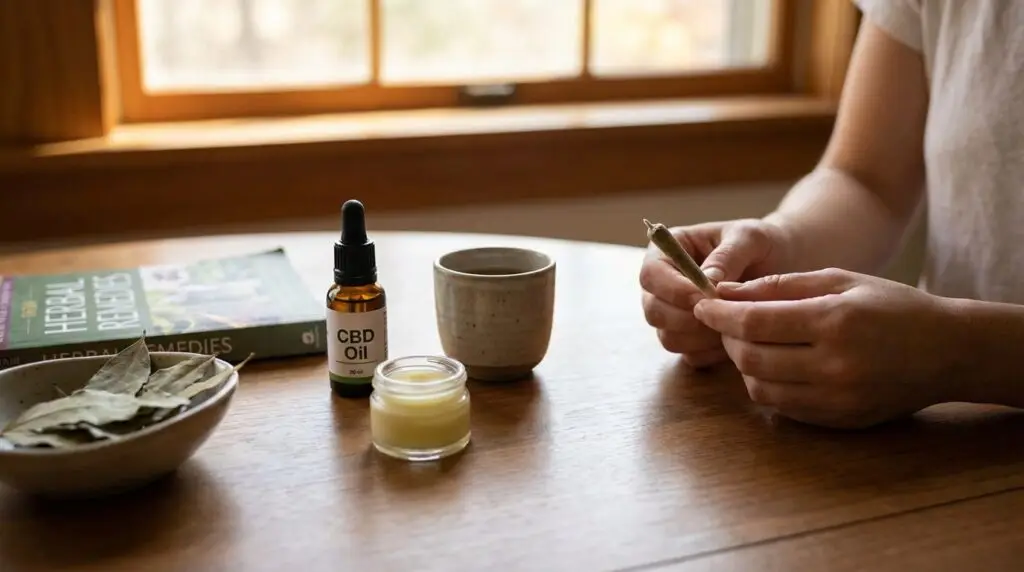
Herbal medicine (also called herbalism (phytomedicine or phytotherapy) is the study of pharmacognosy and the use of medicinal plants), which are a basis of traditional medicine. Healthcare providers should be well-informed about potential interactions between herbal medicines and prescription drugs to minimize risks to patients. Drug interactions with herbal medicines. This study aims to highlight the need for standardization and regulatory measures to enhance the safety and reliability of herbal therapies. The methodology section outlines the research design, data collection, and analysis approaches used to explore the scientific validation, challenges, and future prospects of herbal medicine.
The state of matter known as plasma involves the ionization of some electrons from atoms or molecules within a gas. This process results in the creation of a conductive path that emits light, such as a spark, arc, or lightning. In these substances, moving protons constitute electric currents, contrasting with the movement of electrons in metals. Typically, free electrons act as the charge carriers in solid conductors. Upon contact, the conductor’s free electrons are compelled to drift towards the positive terminal due to the influence of the electric field. Current flows in sparks or plasma consist not only of electrons but also of both positive and negative ions.
The search on herbal medicines for the indication Upper Respiratory Infections revealed 24 publications. Considering the noninterventional character of this study — the herbal combination was demonstrated to improve overactive bladder symptoms and quality of life. One observational study was investigating the effectiveness of a standardized herbal extract containing a combination of Cucurbita pepo L , Marrow,, Rhus aromatica bark (Fragrant sumac), and hops, in women with overactive bladder (Gauruder-Burmester et al., 2019). In a retrospective cohort study — data from outpatients in Germany with at least one diagnosis of acute cystitis or UTI and a prescription of either BNO 1045 or standard antibiotics were analyzed (Holler et al., 2021).
This method facilitates decreased dosing frequency and enhanced patient adherence , Ma et al. 2024,. A comprehensive understanding of Phase I and Phase II metabolic pathways facilitate the design of structural alterations that improve metabolic stability and prolong the half-lives of bioactive substances. Clinical translation emphasizes the demonstration of enhanced efficacy and diminished negative effects relative to traditional formulations , Nagarajan et al. 2025,.
For example (in AC power lines), the waves of electromagnetic energy propagate through the space between the wires, moving from a source to a distant load, even though the electrons in the wires only move back and forth over a tiny distance. To take a different example (in the near-vacuum inside a cathode ray tube), the electrons travel in near-straight lines at about a tenth of the speed of light. For example, in a copper wire of cross-section 0.5 mm2, carrying a current of 5 A, the drift velocity of the electrons is on the order of a millimetre per second. Electrons are the charge carriers in most metals and they follow an erratic path, bouncing from atom to atom, but generally drifting in the opposite direction of the electric field.

This research aims to investigate how these technologies can improve the scientific assessment (formulation), and distribution of herbal medicines, thus facilitating innovative and effective plant-based therapies. Since the dawn of civilization, humans have turned to herbal medicines for health care and the treatment of various ailments. The study highlights major challenges in global regulations stemming from diverse national policies, endangering biodiversity and leading to consumer misunderstandings regarding the safety of herbal medicines.
A key barrier to the implementation of new therapeutic strategies is the absence of developed markers for measuring the clinical efficacy of herbal medicine up to this point. Furthermore (these extracts are quite affordable), with individual extract prices being low. Intensive research is being conducted on these extracts — with a substantial and increasing volume of studies each year, and the components within these extracts are thoroughly identified and analyzed.
Undoubtedly, the data encourages further research on herbal medicines as alternatives to antibiotics in acute lower uncomplicated UTI , Wagenlehner et al., 2018,. With respect to urinary tract infections (UTI), herbal medicines have been proven to be similar effective as antibiotics. As no standard therapy has so far been established for FD (Madisch et al., 2018) and IBS (Lacy et al., 2021) the design of clinical studies is difficult, making it impossible to compare the phytodrug group with a “reference” cohort, and to finally assess the value of the phytodrugs. Only one study each on sage for menopausal symptoms and SJW for premenstrual symptoms was found (Lauritzen et al. (1997; Lauritzen et al.), 1997; Adeyemo et al., 2013). Regardless of the study quality, there are no contradictory results. Effective treatment of menopausal symptoms with black cohosh is supported with multiple study designs.
The WHO began regulating phytochemicals as early as 1980 (recognizing the unique safety), efficacy, and quality concerns posed by herbal medicines compared to conventional drugs. Problems related to undeclared, unauthorized or toxic botanicals in herbal dietary supplements are of growing importance as they generally have not gone through a rigorous drug testing process as for therapeutic phytochemicals. This reference work covers for the first time the herbal drugs used in ethnomedicine and validated on modern scientific basis. However recent findings indicate that traditional herbal products are heterogeneous in nature and may not be safe and impose a number of challenges to qualify control, qual… MacHash is your real-time Apple news aggregator (delivering the latest headlines on Apple), Mac, iPhone, iPad, and iOS from top sources across the web. These mechanisms contribute to their potential use as natural therapeutic agents for managing chronic inflammatory conditions (including cardiovascular disease), arthritis, and metabolic disorders.
The quality of herbal medicines is believed to be directly related to its active principles — but herbal medicines can be variable in their composition. It is known that even today over 80% of the world population depends on herbal medicines. The paper emphasizes the polyketide pathway as crucial for producing antibiotics and cytostatics, showcasing its economic importance with specific examples like erythromycin and lovastatin.
The past decade has seen a resurgence in the popularity of herbal medicines, particularly in response to the aforementioned health concerns. Various gastrointestinal disorders encompass conditions such as irritable bowel syndrome (IBS) (inflammatory bowel disease (IBD)), hepatitis, and functional dyspepsia (FD). Insights into the standard treatments for specific ailments that may find herbal medicines as a logical alternative are provided in the next section. Initial preclinical research suggests that markers or „signatures” , e.g., mRNA, miRNA, may be identified in the future (Bachmeier et al., 2007; Bachmeier et al., 2008; Bachmeier et al., 2009; Bachmeier et al., 2010; Killian et al., 2012; Kronski et al., 2014). The efficacy markers of herbal treatments could also aid in differentiating patients who might gain from herbal therapies from those who would not.
